 Aspirational
Category
Jobs News & Market Trends
Jobs News & Market Trends guides on Aspirational Guide.

12 AI Skills Job Seekers Need to Learn Right Now
The AI skills worth learning first are the ones you can show in a work sample: briefing a model properly, checking what it gives back, and wiring it into a real task someone pays for. Everything below can be built on your own time with free or low-cost tools, and most items take days or weeks rather than months.
Theo Lindqvist · 13 min read

Career Change at 30: How to Start Over Without Losing Momentum
Changing careers at 30 usually takes six to twelve months of deliberate work, not a clean break. Most of that time goes on three things: confirming the new role actually matches what you want day to day, closing the one or two concrete gaps employers screen for, and translating eight to ten years of experience into the new field's language.
Nadia Hassan · 15 min read

Military to Civilian Career Change: How to Translate Your Skills
Translating military experience into civilian work is mostly a language and timing problem, not a qualifications problem. You take what you already did — leading people, maintaining equipment, moving supplies, running comms — restate it in the vocabulary of a civilian job family, then add one credential or one block of civilian work experience that proves the claim to a stranger.
James O'Connor · 16 min read

How to Become a Pharmacy Technician (Steps, Skills and Pay)
To become a pharmacy technician you usually need a high school diploma or equivalent, registration or licensure with your state board of pharmacy, and in most cases a national certification such as the PTCB's CPhT. Training comes either from a formal program of a few months to a year, or from on-the-job training at a retail chain or hospital, depending on what your state allows.
Daniel Ortiz · 13 min read

How to Decline a Job Offer Professionally: Steps (With Scripts)
Decline a job offer by telling the person who extended it — the recruiter or hiring manager — as soon as you are certain, then confirming in writing the same day. Thank them, say no clearly, give one short reason, and stop there. The goal is a clean answer the employer can act on, with your name intact at that company for the next opening.
Priya Shah · 12 min read

What to Say When a Recruiter Asks Why You Left Your Last Job
Answer with one true reason, stated in a single sentence, then connect it to the job you are interviewing for. One common framework suggests acknowledging something positive about the old role, giving the reason, linking it to the new opportunity, and keeping the whole thing under 60 seconds (Status.net, undated).
Marcus Lee · 12 min read
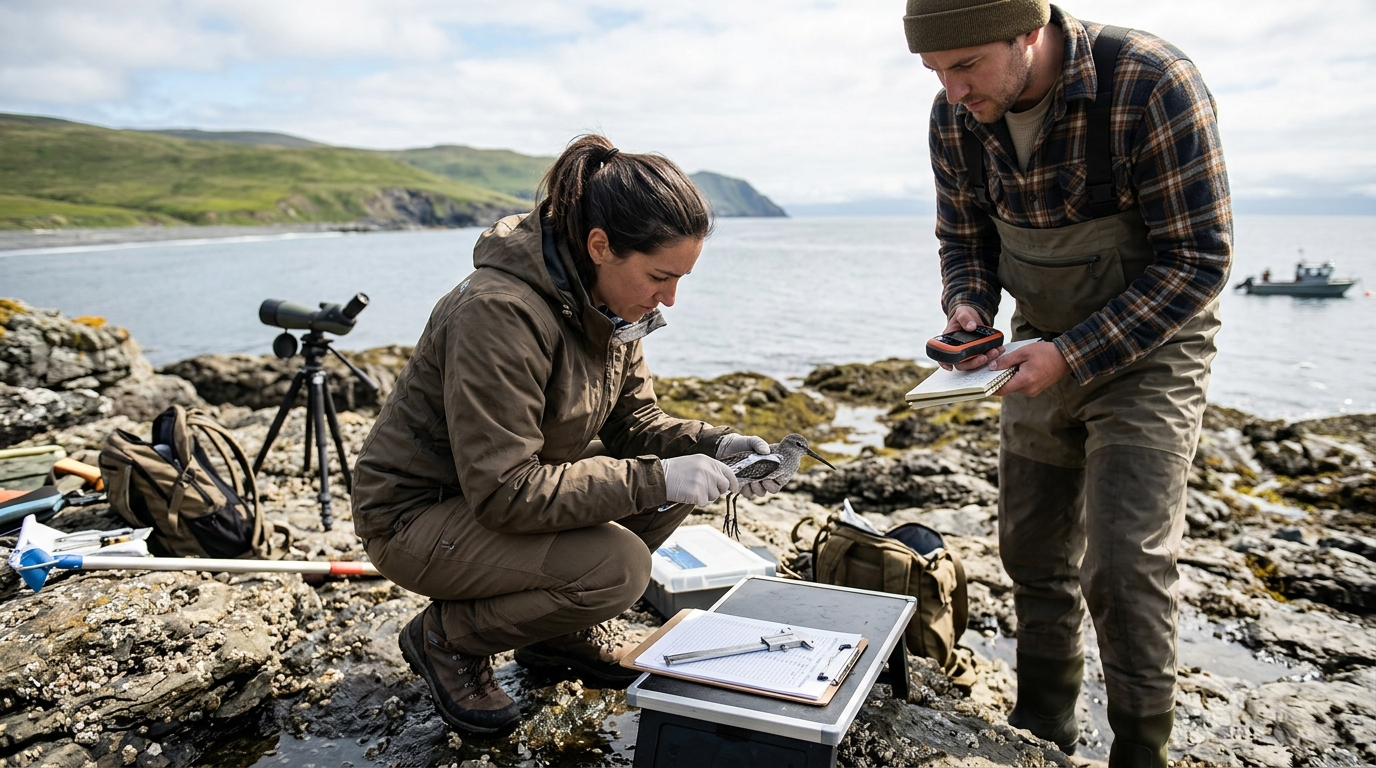
10 Jobs That Let You Work Outdoors
If you want work that happens outside, the realistic routes in are seasonal grounds and parks crews, entry-level construction and tree work, guiding and field technician jobs, and skilled trades like solar installation and land surveying. Most start with a short certification, a seasonal hire, or a physical test rather than a degree.
Marisol Andrade · 14 min read

Best Careers for People Who Love Working With Their Hands
If you want work where the result is physical and the day ends with something finished, the strongest options are the licensed building trades — electrical, plumbing and pipefitting, HVAC — plus welding and fabrication. Most of these are entered through an apprenticeship that pays you while you train, or through a short technical program, not a four-year degree.
Wei Chen · 15 min read

How Long Does It Take to Become a Phlebotomist?
For most people, becoming a phlebotomist takes a few months to a year. Certificate programs at community colleges, vocational schools and technical schools usually take less than a year and cover anatomy, physiology, medical terminology and lab work (U.S. Bureau of Labor Statistics), and some employers hire candidates with only a high school diploma and train them on the job (U.S. Bureau of Labor Statistics).
Sofia Bauer · 13 min read